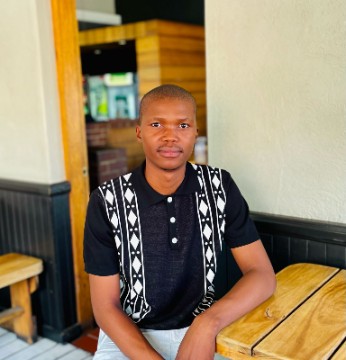

Understanding Self-Esteem
Self-esteem refers to the perception we have of ourselves and our self-worth. It is shaped by various factors, including our experiences, family dynamics, and social interactions. For many individuals in South Africa, understanding self-esteem can sometimes be challenging due to cultural, societal, and economic influences. It's essential to grasp that self-esteem is not static; it fluctuates based on our circumstances and how we perceive ourselves within the context of our environment.
The Impact of Low Self-Esteem
Low self-esteem can manifest in various ways, such as negative self-talk, feelings of worthlessness, and avoidance of challenges. In South Africa's diverse society, individuals from different backgrounds may face unique challenges that contribute to diminished self-esteem. Factors such as discrimination, socio-economic status, and family expectations can profoundly affect how one views their worth. It's crucial to recognize these barriers and understand that seeking support is a strength, not a weakness.

Photo By Peter Burdon on Unsplash
Identity Issues: A Deep Dive
Identity issues often intersect with self-esteem, particularly within the South African context, where cultural diversity and historical context play significant roles. Many individuals grapple with their identity, influenced by societal expectations, cultural heritage, and personal experiences. Understanding one’s identity can be a powerful tool in building self-esteem, as it fosters a sense of belonging and purpose. It’s vital to explore questions of identity without fear of judgment and to embrace the multifaceted nature of who we are.
Navigating Identity in a Diverse Society
South Africa's rich tapestry of cultures offers both a challenge and an opportunity when it comes to forming one's identity. Elders in our communities often emphasize the importance of knowing one’s roots, traditions, and culture. However, younger generations may find themselves balancing traditional beliefs with modern lifestyles. This dynamic can lead to confusion about identity and self-worth. Engaging in conversations with elders, participating in cultural practices, and embracing one’s heritage can aid in resolving identity conflicts.
Self-Esteem Boosters
Improving self-esteem is a gradual process that involves self-reflection and proactive efforts. Simple practices such as gratitude journaling, affirmations, and setting achievable goals can significantly enhance self-esteem. For South Africans, engaging in community activities, volunteering, or joining support groups can also provide a sense of fulfillment and connection with others, which is instrumental in boosting self-worth.
Seeking Professional Help
Consulting a mental health professional is a crucial step for individuals grappling with self-esteem and identity issues. The stigma surrounding mental health in South Africa can deter many from seeking help. However, therapy offers a safe space to explore one’s feelings, identify harmful thought patterns, and learn coping strategies. A compassionate therapist can empower clients to navigate their challenges, fostering emotional wellness and personal growth.
Building a Support Network
Having a supportive network is invaluable when addressing self-esteem and identity issues. This network may include family, friends, mentors, or support groups within your community. Discussing personal challenges openly with trusted individuals can reduce feelings of isolation and provide encouragement. Moreover, connecting with others who share similar experiences can foster camaraderie and reinforcement of self-worth.
Celebrating Achievements, Big and Small
Acknowledging and celebrating achievements, regardless of size, is crucial in building self-esteem. South Africans can benefit from recognizing personal milestones, whether completing a project at work or simply overcoming a personal hurdle. This practice of acknowledgment can create a positive feedback loop, enhancing self-perception and fostering a sense of accomplishment.
Practicing Self-Compassion
Self-compassion involves treating oneself with kindness and understanding, especially during difficult times. For many South Africans, societal pressures may lead to self-criticism. Engaging in self-compassionate practices can combat this by encouraging individuals to embrace their imperfections and view setbacks as a natural part of the human experience.
Embracing Change as a Path to Growth
Change is inevitable and often challenging. Learning to embrace change can lead to personal growth and a stronger sense of identity. Whether it’s transitioning to a new job, moving to a different area, or navigating life’s unexpected turns, adapting to change positively influences self-esteem. South Africans can benefit from viewing change as an opportunity for self-discovery and development.
Resources for Further Support
Numerous resources can assist those dealing with identity issues and low self-esteem. Organizations focused on mental health and well-being, such as the South African Depression and Anxiety Group (SADAG), provide information, support groups, and hotlines. These resources can be invaluable for individuals seeking direction and community.

Photo By Brett Jordan on Unsplash
Conclusion: Your Journey Matters
Ultimately, navigating self-esteem and identity issues is a personal journey, unique to each individual. In South Africa’s diverse landscape, it's important to foster environments that support self-exploration and encourage open dialogue about mental health. By taking steps toward self-acceptance, seeking support, and engaging with one’s community, individuals can embark on a path toward emotional wellness and personal growth. Remember, it’s okay to seek help, and your journey matters.

Photo By Marcel Strauß on Unsplash


.jpg&w=96&q=75)
